A practical September 10, 2026 update on trekking in Nepal after the floods, covering Rasuwa, Langtang, Syabrubesi, the Nepal–China border, route conditions and autumn trekking advice.
Nepal Trekking After the 2026 Floods: Rasuwa, Langtang and Latest Travel Update
Nepal Trekking After the 2026 Floods: Rasuwa, Langtang and Travel Update
Nepal is recovering from serious floods and landslides that hit several parts of the country in August 2026.
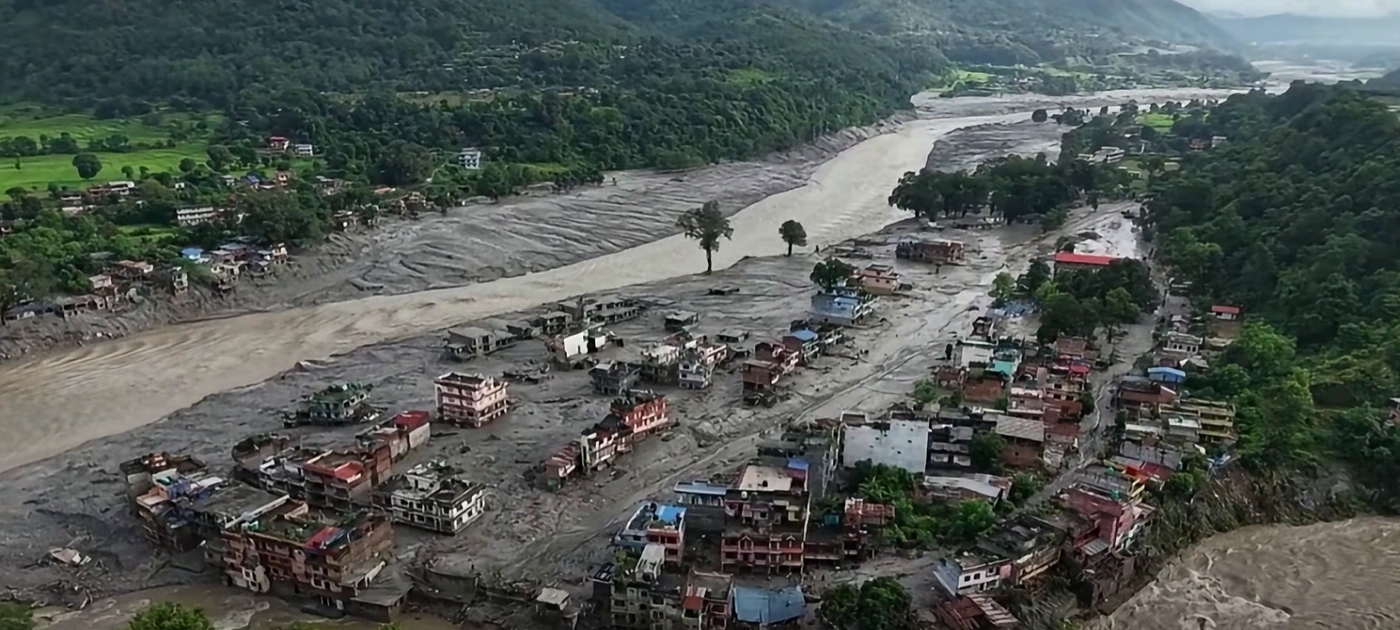
The most serious damage has been reported in Rasuwa and around the Nepal–China border, where floods destroyed homes, roads, bridges and other infrastructure. The Rasuwagadhi border area was also badly affected.
For trekkers, the situation is changing quickly. Some routes and access roads are slowly reopening, while others still need repairs and safety checks.
The important thing is to check the exact trekking route and access road before traveling.
What Happened in Rasuwa?
On August 26, 2026, heavy rain and flooding caused major destruction in northern Rasuwa near the Nepal–China border.
The flood affected communities along the river corridor, including areas around Timure and Rasuwagadhi. Roads and bridges were damaged or washed away, making access difficult in several places.
Many families have lost homes and businesses, while search, rescue and relief work continues.
The damage also reached the Nepal–China border crossing. Infrastructure near Gyirong on the Chinese side was badly damaged.
The priority in the affected areas remains rescue, relief and recovery.
What Does the Rasuwa Flood Mean for Langtang Trekking?
Langtang is one of the trekking regions that needs particular attention following the floods.
The Langtang Valley is a high-altitude trekking area, but trekkers normally reach it through Syabrubesi and the Rasuwa road corridor.
That access route was seriously affected by the disaster.
So, when checking Langtang, it is important to look at more than the condition of the walking trail.
Before traveling, check:
- The road from Kathmandu to Syabrubesi
- Bridge conditions
- Local transportation
- Trail conditions
- Teahouse availability
- Local safety information
Conditions are changing as repair and recovery work continues.
Are Langtang Trekking Routes Slowly Reopening?
Yes, access is gradually improving in some areas as roads and trails are cleared and assessed.
However, there is no single reopening date for the entire Langtang region.
One section may be ready while another still needs repair. A trail may be walkable, but a bridge, road or accommodation facility may not yet be ready.
This is why travelers planning Langtang in September or October 2026 should check conditions shortly before departure.
A route that is difficult to access today may be ready later in the season.
What About the Nepal–China Border?
The Rasuwagadhi–Kerung border is an important crossing between Nepal and China.
The August flood caused major damage around the border area. Roads, buildings and other infrastructure were affected, and recovery is continuing.
Travelers planning to cross from Nepal into Tibet through Rasuwagadhi should check the latest official border information before making travel arrangements.
The border situation should be checked separately from trekking conditions.
What About Other Trekking Regions?
The Rasuwa disaster is geographically separate from many of Nepal's other major trekking destinations.
For Everest, Annapurna, Manaslu, Mustang, Dolpo, Kanchenjunga and other regions, travelers should check the local road, flight and trail conditions for their own itinerary.
The main lesson after this year's floods is simple: conditions can be very different from one region to another.
What Should Autumn 2026 Trekkers Expect?
October and November are normally Nepal's main trekking months.
This year, travelers should allow some extra flexibility because recovery from the August disaster will continue into the autumn.
Some roads may reopen quickly, while damaged bridges and trails can take longer to repair. Temporary diversions or changes in transportation may also be necessary.
Travelers should therefore avoid making plans too tightly around a fixed road or flight schedule.
Should You Cancel Your Nepal Trek Because of the Floods?
Do not make the decision based only on a national headline.
First check whether your destination and access route are affected.
If your trek uses the Rasuwa–Syabrubesi corridor, get a current local update before traveling.
If you are traveling through Rasuwagadhi into Tibet, check the border separately.
For other trekking regions, check the specific road, flight and trail conditions for your itinerary.
The useful question is:
“Is my route open, is the access safe, and are the local communities ready to receive trekkers?”
Responsible Travel During Recovery
The communities affected by the floods need time to recover.
Where an area has been confirmed safe and is ready to receive visitors, tourism can provide important income for guides, porters, teahouse owners, cooks, drivers and other local businesses.
Travelers can support mountain communities by:
- Booking with Nepali-owned trekking companies
- Hiring local guides and porters
- Staying in local teahouses
- Eating and shopping locally
- Following local safety instructions
- Waiting until disaster-affected areas are ready for visitors
- Supporting trusted relief programs when appropriate
Tourism should not interfere with rescue or emergency work.
Current Situation: September 10, 2026
As of September 10, recovery work is continuing in Rasuwa and around the Nepal–China border.
Search and rescue operations are still taking place, while damaged roads, bridges and other infrastructure are being assessed and repaired.
Some areas remain difficult to reach, and relief teams are continuing to support affected communities.
For trekkers, the situation is changing from day to day.
Some access routes are reopening. Some trekking trails are being assessed. Other areas still need more time.
Travelers planning Langtang, Gosaikunda or other routes in the Rasuwa area should get the latest local information before departure.
We Will Keep Updating This Page
The recovery will take time.
Roads will gradually be cleared, bridges repaired and trekking trails assessed. Some routes may reopen in the coming weeks, while others may require longer reconstruction.
We will continue updating this page with reliable information about Rasuwa, Langtang, Syabrubesi, the Nepal–China border and affected trekking routes.
If you are planning an autumn 2026 trek, check the latest conditions with your trekking operator before departure.
Nepal Trekking Safety Checklist
Before your trek:
- Check current road and trail conditions.
- Confirm your flights and transportation.
- Check your travel insurance.
- Make sure your policy covers your trekking altitude.
- Keep one or two extra days in your itinerary.
- Download offline maps.
- Check the weather forecast.
- Carry a waterproof jacket and backpack cover.
- Carry water purification.
- Save emergency contacts offline.
- Check current permits and TIMS requirements.
- Follow local safety advice if conditions change.
Frequently Asked Questions
Is Nepal safe for trekking after the 2026 floods?
Safety depends on the trekking region and current access conditions. Travelers should check their specific route before departure, particularly in areas directly affected by the floods.
Is Langtang Trek open after the Rasuwa flood?
The Langtang area is recovering, and some access routes are gradually reopening. Because the road and infrastructure around Rasuwa and Syabrubesi were affected, current conditions should be confirmed before traveling.
Is the Rasuwagadhi–Kerung border open?
The border area was seriously damaged by the August flood. Travelers planning to cross through Rasuwagadhi should check the latest official information before making travel arrangements.
Will Langtang trekking routes reopen?
Some routes and access points are gradually returning as repair and assessment work continues. The reopening time will vary from one section to another.
Is October 2026 still a good time to trek in Nepal?
October is normally one of Nepal's best trekking months. This year, however, travelers should pay particular attention to route conditions because recovery is continuing in some areas.
Should I cancel my trek because of the floods?
Not necessarily. First check whether your destination and access route have been affected. Conditions should be assessed on a route-by-route basis.
The Bottom Line
The August 2026 floods caused serious destruction in Rasuwa and around the Nepal–China border. Many families have lost homes, businesses and loved ones, and recovery will take time.
For travelers, the situation is changing as roads, bridges and trekking routes are repaired.
Some routes are open, some are slowly reopening, and some need more time.
If you are planning to trek in Nepal this autumn, check your exact route, get the latest local information and keep some flexibility in your plans.
Travel responsibly, stay informed and respect the communities rebuilding after the disaster.
Need Help? Call Us+977 9851191984orChat with us on WhatsApp
Latest Travel Blogs
Need Help? Call Us+977 9851191984