Price from
US$1500
US$2200
Trekker’s Top Pick
Nepal Trekking Essentials: What Every Trekker Should Know Before the Trip
Planning a trek in Nepal is exciting, but a little preparation goes a long way.
Nepal has trekking routes for almost every kind of traveler. You can spend a few days walking through the Annapurna foothills, hike to Annapurna Base Camp, cross the Annapurna Circuit, walk to Everest Base Camp, or take on more remote journeys such as Manaslu, Tsum Valley, Ruby Valley or Kanchenjunga.
The experience is very different from one region to another. Altitude, weather, walking hours, road access, accommodation and trail conditions all matter.
This guide covers the main things you should know before trekking in Nepal, whether it is your first Himalayan trek or you have trekked here before.
Choose the Right Trek
There is no single best trek in Nepal. The right trek depends on your time, fitness, experience and what you want to see.
If you have limited time, Ghorepani–Poon Hill or another shorter Annapurna trek may be a good choice.
If you want a classic Himalayan experience, consider Everest Base Camp or Annapurna Base Camp.
For a longer and more challenging journey, the Annapurna Circuit, Manaslu Circuit, Tsum Valley, Larke Pass or Kanchenjunga may be better suited.
If you are looking for fewer tourists and a stronger cultural experience, Ruby Valley is worth considering.
Do not choose a trek only because it is popular. Think about how many days you have, how comfortable you are with long walking days and how you normally handle high altitude.
Know the Altitude
Altitude is one of the most important parts of trekking in Nepal.
Some routes stay at moderate elevations, while others take you above 4,000 or even 5,000 meters.
For example, Larke Pass on the Manaslu Circuit and Thorong La on the Annapurna Circuit are both high mountain passes.
Your body needs time to adjust as you go higher.
Take Your Time
A good trekking itinerary should allow enough time for acclimatization.
There is no advantage in walking too fast simply to reach the next village early.
During your trek:
- Walk at a comfortable pace.
- Drink plenty of fluids.
- Eat regularly.
- Take acclimatization days seriously.
- Tell your guide if you feel unwell.
- Do not ignore symptoms at high altitude.
Headache, nausea, dizziness, unusual tiredness and difficulty sleeping can occur at altitude. If symptoms become serious, descending is often the safest option.
Being fit does not mean you are protected from altitude sickness.
Pick the Right Season
Nepal can be trekked in different seasons, but weather conditions vary considerably between regions.
Autumn: September to November
Autumn is the main trekking season for many parts of Nepal. October and November are particularly popular because mountain views are often clear and temperatures are generally comfortable.
Early September can still bring rain, especially at lower elevations.
Spring: March to May
Spring is another excellent trekking season. The weather is generally favorable, and the hills are colorful with blooming rhododendrons.
Monsoon: June to August
The monsoon brings rain to much of Nepal. Trails can become wet and slippery, and landslides can affect roads and walking routes.
Some rain-shadow destinations, including Upper Mustang and parts of Dolpo, can be better choices during this period.
Winter: December to February
Higher areas can become very cold, and snow may make some high passes difficult or temporarily inaccessible.
Whatever month you travel, check the latest local weather and trail conditions before leaving Kathmandu.
What Should You Pack for a Nepal Trek?
You do not need to bring your entire wardrobe to Nepal. Most trekking equipment is available in Kathmandu if you need to buy or rent something.
Your packing list will depend on the altitude, season and length of your trek.
Clothing
A basic trekking clothing list includes:
- Moisture-wicking base layers
- Fleece or warm mid-layer
- Waterproof and windproof jacket
- Trekking trousers
- Warm down jacket for high-altitude routes
- Thermal underwear for cold conditions
- Comfortable trekking socks
- Gloves
- Warm hat
- Sun hat or cap
The most important idea is layering. Mountain temperatures can change quickly, so you should be able to add or remove layers during the day.
Trekking Gear
You should also consider:
- Comfortable trekking boots
- Lightweight shoes or sandals for evenings
- Daypack
- Duffel bag
- Sleeping bag, depending on the trek and season
- Trekking poles
- Headlamp
- Sunglasses
- Water bottle or hydration system
- Water filter or purification tablets
- Sunscreen
- Lip balm
- Small personal first-aid kit
- Power bank
For high-altitude and remote treks, ask your trekking company what additional equipment is necessary.
Documents and Permits
Before heading into the mountains, keep your important documents organized.
Depending on your route, you may need:
- Passport
- Nepal visa
- Trekking permits
- TIMS card, where applicable
- National park or conservation-area permits
- Travel insurance documents
- Emergency contact details
Keep copies of important documents on your phone and, where possible, offline.
Permit requirements can change, so check the current requirements for your particular trek before departure.
Get the Right Travel Insurance
Travel insurance is especially important for trekking in Nepal.
Do not assume that a standard travel policy automatically covers a Himalayan trek.
Before buying insurance, check that it covers:
- The maximum altitude of your trek
- Trekking activities
- Emergency medical treatment
- Emergency evacuation when medically necessary
- Helicopter evacuation, where covered
- Trip cancellation or interruption
- Lost or delayed baggage
Read the policy carefully, including exclusions and altitude limits.
Keep your insurance details accessible throughout the trek.
Plan Your Transportation
Getting to the trailhead is part of trekking in Nepal.
Depending on your route, you may travel by private vehicle, public transportation, domestic flight or a combination of these.
For example, Everest treks involve travel toward the Khumbu, while Annapurna, Langtang, Ruby Valley and Manaslu routes use different road corridors.
Mountain transportation can be affected by:
- Weather
- Landslides
- Road conditions
- Flight delays
- Airport operations
- Construction or repair work
Do not schedule your international flight home immediately after your trek.
One or two extra days in Kathmandu can save you a lot of stress.
What Are Teahouses Like?
Most popular trekking routes have teahouses and mountain lodges.
The facilities are usually simple but comfortable enough for a trekking trip.
Depending on the location, you may have:
- Private or shared rooms
- Beds and mattresses
- Shared bathrooms
- Hot showers
- Dining rooms
- Wi-Fi
- Charging facilities
Facilities become more basic as you travel farther into remote and higher areas.
A mountain teahouse is not a city hotel, and it is better to arrive with realistic expectations.
Food and Water on the Trail
You will find a surprising variety of food on Nepal's main trekking routes.
Common meals include:
- Dal bhat
- Rice and vegetables
- Noodles
- Soup
- Pasta
- Eggs
- Bread
- Momos
- Pancakes
- Tea and coffee
Dal bhat is a favorite among trekkers because it is filling and usually comes with rice, lentils and vegetables.
Drinking Water
Do not assume that every stream or tap provides safe drinking water.
Depending on the location, you can use:
- Treated or filtered water
- Water purification tablets
- A reliable water filter
- Bottled water where appropriate
Carrying a reusable bottle is also a simple way to reduce plastic waste.
Should You Hire a Guide or Porter?
For many treks, especially remote and high-altitude routes, a local guide is a valuable part of the trip.
An experienced guide can help with:
- Route navigation
- Accommodation
- Local communication
- Weather and trail information
- Altitude awareness
- Emergency situations
- Local culture and customs
A porter can carry your main luggage so you can concentrate on walking with a lighter daypack.
On remote routes such as Manaslu, Tsum Valley and Kanchenjunga, experienced local support is particularly useful.
Prepare for Long Walking Days
Trekking is not the same as walking around a city.
A normal trekking day can involve several hours on uneven trails, with plenty of uphill and downhill walking.
You may encounter:
- Stone steps
- Rocky paths
- Forest trails
- Suspension bridges
- Steep climbs
- Long descents
- Snow at higher elevations
How to Get Trekking Fit
You do not need to be an athlete.
Start preparing several weeks before your trip with:
- Regular walking
- Hiking
- Stair climbing
- Cardio exercise
- Basic strength training
If possible, take longer walks on weekends and gradually increase the distance.
The goal is to build endurance rather than train extremely hard just before your departure.
Be Ready for Simple Mountain Life
One of the attractions of trekking is getting away from busy city life.
But remote mountain areas do not have all the facilities you may be used to at home.
You may experience:
- Limited electricity
- Slow internet
- Weak mobile signals
- Basic bathrooms
- Limited hot water
- Cold rooms
- Limited charging facilities
- No ATM for several days
A power bank is useful, and it is a good idea to keep important information available offline.
Carry Enough Cash
Do not depend entirely on credit cards or mobile payments once you are in the mountains.
Carry enough Nepalese rupees for things such as:
- Meals and drinks
- Showers
- Charging
- Wi-Fi
- Tips
- Small purchases
- Unexpected expenses
The amount you need depends on your route and trek length.
It is best to withdraw or exchange enough money in Kathmandu before heading into remote areas.
Respect Nepal's Culture
Trekking in Nepal is also a cultural experience.
Trails pass through villages where people have their own languages, traditions, religions and ways of life.
A little respect goes a long way.
When traveling through local communities:
- Ask before taking photographs of people.
- Dress respectfully in villages and religious places.
- Follow local customs.
- Remove your shoes where required.
- Ask permission before entering religious sites.
- Do not disturb ceremonies.
- Avoid touching religious objects without permission.
Learning a few Nepali words is also a nice way to connect with local people.
A simple “Namaste” is always a good place to start.
Travel Responsibly
Nepal's mountains are beautiful, but the environment is fragile.
Trekkers can help protect the places they visit through simple choices.
- Carry a reusable water bottle.
- Reduce single-use plastic.
- Take your rubbish with you.
- Stay on established trails.
- Do not damage plants.
- Respect wildlife.
- Use water carefully.
- Support local businesses.
- Follow local waste-management rules.
When you spend money with local guides, porters, teahouses, restaurants and shops, more of your tourism spending stays in the communities along the trail.
Check the Trail Before You Leave
Mountain conditions can change quickly.
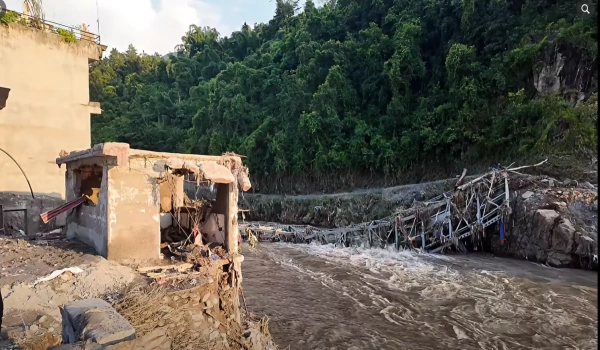
Rain can cause landslides. Snow can affect high passes. Bridges can be damaged. Roads can become temporarily difficult.
This is particularly important when planning a trek after extreme weather or other local disruptions.
Before leaving Kathmandu, check:
- Road conditions
- Flight operations
- Trail conditions
- Bridges and river crossings
- Accommodation
- Current permit requirements
- Weather forecast
- Local safety information
Do not depend entirely on an old blog post or information from someone who completed the trek several months or years ago.
Current local information matters most.
Keep Some Flexibility in Your Itinerary
Himalayan travel does not always follow a fixed timetable.
A flight may be delayed. A road may be blocked. Weather may change. You may need another acclimatization day.
That is normal in the mountains.
If you have enough time, leave one or two spare days in your overall Nepal itinerary.
This is especially useful if you are connecting a trek with an international flight.
Know When to Turn Back
Reaching the destination is not more important than your health.
If you are feeling seriously unwell, tell your guide.
Do not continue simply because other members of your group are moving ahead.
In the mountains, turning around can be the smartest decision you make.
There is always another opportunity to return to the Himalayas.
How to Choose a Trekking Company
Your trekking company is responsible for much more than booking a room.
Before booking, ask what is included in your package and who will look after you during the trek.
A reliable company should clearly explain:
- Trekking itinerary
- Transportation
- Accommodation
- Permits
- Guide and porter arrangements
- Included and excluded costs
- Insurance requirements
- Emergency procedures
- Cancellation terms
Do not choose a company simply because it offers the cheapest price.
For a Himalayan trek, good local knowledge, communication and emergency support are worth considering when comparing companies.
Popular Trekking Regions in Nepal
Nepal has a remarkable variety of trekking routes.
Everest Region
The Everest region is home to Everest Base Camp, Gokyo and the Everest Three Passes. It is one of the world's best-known Himalayan trekking destinations.
[Explore our Everest Base Camp Trek →]
Annapurna Region
The Annapurna region offers several different experiences, including Annapurna Base Camp, Annapurna Circuit and Ghorepani–Poon Hill.
[Explore Annapurna Base Camp Trek →]
[Explore Annapurna Circuit Trek →]
[Explore Ghorepani–Poon Hill Trek →]
Langtang Region
Langtang is close to Kathmandu and is known for mountain scenery, Tamang villages and the Langtang Valley.
Because conditions can vary by season and local infrastructure, always check current access before starting your trek.
[Explore Langtang Trek →]
Ruby Valley
Ruby Valley offers a quieter trekking experience through traditional Tamang communities, mountain landscapes and remote villages.
It is a good option for travelers who want to experience a less-crowded part of Nepal.
[Explore Ruby Valley Trek →]
Manaslu and Tsum Valley
The Manaslu region combines dramatic mountain scenery with traditional Himalayan villages.
The Manaslu Circuit, Tsum Valley and Larke Pass can be combined into longer itineraries depending on the route and current conditions.
[Explore Manaslu Circuit Trek →]
[Explore Tsum Valley Trek →]
Kanchenjunga
Kanchenjunga is one of Nepal's more remote trekking regions.
The trek requires more time and preparation than many of the country's popular routes, but it offers an impressive wilderness experience and fewer trekkers.
[Explore Kanchenjunga Trek →]
What First-Time Trekkers Often Get Wrong
Many first-time trekkers focus on the final destination but underestimate the journey.
Getting to Everest Base Camp, for example, is not simply a matter of walking to a point on a map. You have to manage altitude, daily walking distances, weather and recovery along the way.
Common mistakes include:
- Packing far too much
- Walking too fast
- Ignoring hydration
- Underestimating altitude
- Not allowing extra days
- Choosing a trek that is too demanding
- Depending completely on internet access
- Not checking insurance conditions
- Ignoring local advice
Good preparation does not remove every challenge, but it makes the experience much easier.
Nepal Trekking Checklist
Before leaving Kathmandu, check that you have everything you need.
Documents
- Passport
- Nepal visa
- Trekking permits
- Travel insurance
- Emergency contacts
Clothing
- Base layers
- Fleece or warm layer
- Waterproof jacket
- Trekking trousers
- Warm jacket
- Gloves
- Hat
- Trekking socks
Equipment
- Trekking boots
- Backpack
- Sleeping bag if required
- Trekking poles
- Headlamp
- Water bottle
- Sunglasses
- Sunscreen
- Power bank
Personal Items
- Regular medication
- Basic first-aid supplies
- Toiletries
- Cash
- Phone
- Offline maps
Frequently Asked Questions About Trekking in Nepal
What is the best trek in Nepal for first-time trekkers?
It depends on your time, fitness and altitude experience. Ghorepani–Poon Hill is a good shorter option, while Annapurna Base Camp and Everest Base Camp are popular choices for longer Himalayan experiences.
What should I pack for trekking in Nepal?
Pack layers rather than heavy clothing, including a waterproof jacket, warm layer, comfortable trekking boots, good socks, sun protection, water treatment, a headlamp and a suitable sleeping bag when required.
Do I need travel insurance for trekking in Nepal?
Yes. Travel insurance is strongly recommended, and your policy should specifically cover the altitude and activities involved in your trek.
Do I need a guide for trekking in Nepal?
The requirement depends on the route and current regulations. For remote and high-altitude treks, an experienced local guide is strongly recommended even where independent trekking may be possible.
How difficult are Nepal's trekking routes?
Difficulty varies widely. Ghorepani–Poon Hill is considerably easier than high-altitude routes such as Manaslu, Everest Three Passes or Kanchenjunga.
How much cash should I carry?
It depends on the route and length of your trek. Remote areas have fewer ATMs and card-payment options, so carry enough Nepalese rupees for your expected expenses and some emergency backup.
Can trekking conditions change after I arrive in Nepal?
Yes. Weather, road conditions, landslides, snowfall and local infrastructure can affect trekking plans. Check current information before leaving Kathmandu and keep some flexibility in your itinerary.
Final Thoughts
A good Nepal trek starts before you reach the trail.
Choose a route that suits you, prepare for the altitude, pack sensibly, get the right insurance and allow enough time for the journey. Most importantly, listen to your body and respect the mountains and the communities you visit.
Whether you are heading to Everest Base Camp, Annapurna Base Camp, Annapurna Circuit, Ghorepani–Poon Hill, Langtang, Ruby Valley, Manaslu, Tsum Valley, Larke Pass or Kanchenjunga, take the time to understand your route before you go.
Mountain conditions can change, so always check the latest local information before departure.
Prepare well. Walk at your own pace. Respect the mountains. Enjoy the journey.
Planning Your Nepal Trek?
If you are not sure which route is right for you, talk to a local trekking company before booking.
A good local team can help you choose an itinerary based on your available time, fitness, experience and interests, and can arrange the necessary permits, transportation, accommodation, guides and porters.
At Hiking in Himalaya, we believe trekking is not simply about reaching a destination. The people you meet, the villages you walk through, the culture you experience and the mountains around you are all part of the journey.